Zengo
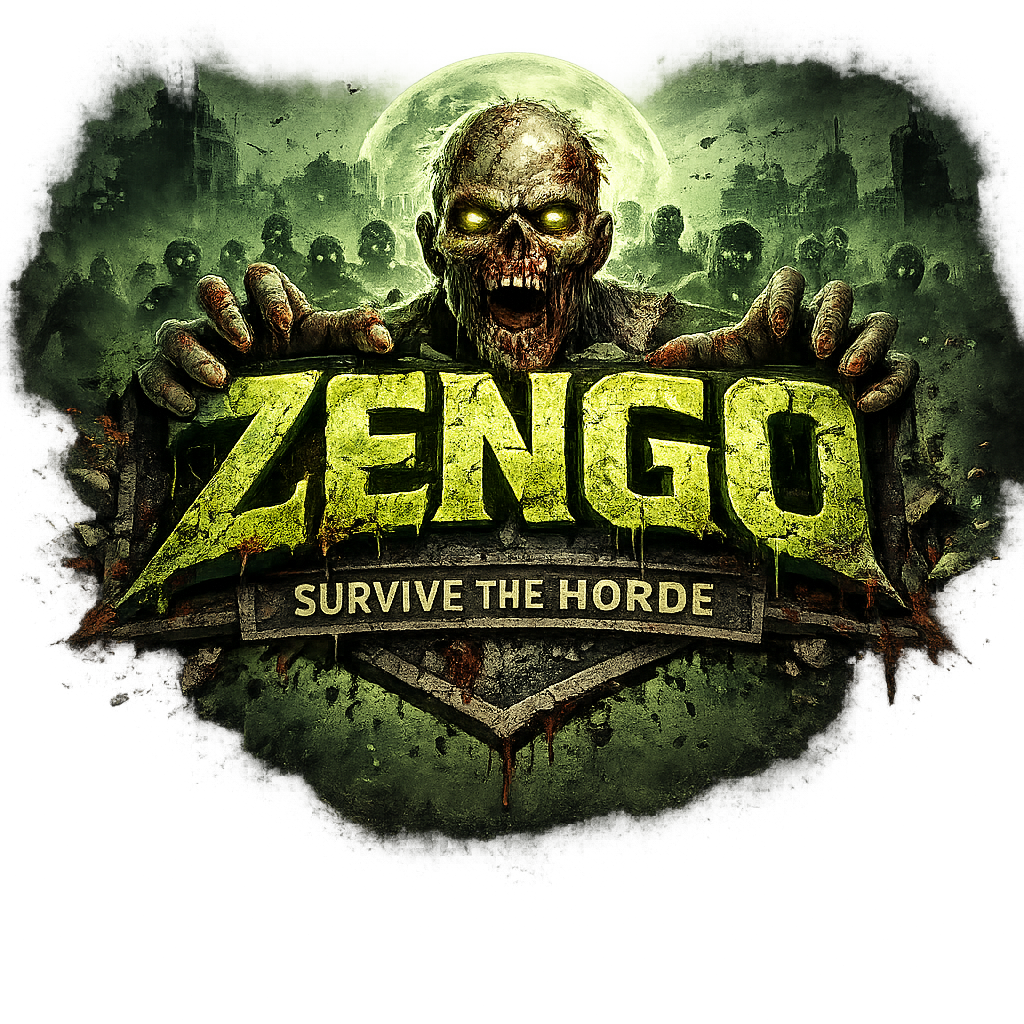
A zombie-horde themed game mark with toxic green lettering and an aggressive post-apocalyptic crowd behind it.
Zengo Inside the Dragon Storm Clash Social Games
Zengo appears on Dragon Storm Clash as a free social games feature for adults 18+ that is presented through visual identity, atmosphere, and curated discovery rather than through any real-money promise. The logo, shape language, and color direction all do heavy lifting before a player even launches the room. That matters because Dragon Storm Clash is built as an entertainment-only environment where virtual credits are used only inside the social experience and have no real-world value. There are no withdrawals, no cash prizes, and no wagering tied to this page or to the way the title is introduced. A zombie-horde themed game mark with toxic green lettering and an aggressive post-apocalyptic crowd behind it. The result is a page that treats the card as more than a small image. It becomes a fully framed room inside the platform, with a distinct personality that helps players decide whether the tone fits the kind of session they want.
The strongest part of Zengo is the way it turns zombie hordes, toxic color, and outbreak visuals into a recognizable emblem instead of a vague decorative background. Good social games artwork does not rely only on brightness or random detail. It creates a clear memory signal. When someone browses a large lobby, they should be able to understand the room in seconds, remember it later, and return because the visual direction felt specific. That is exactly what happens here. The radioactive green styling sets the card apart from neighboring rooms, while the overall chaotic and apocalyptic presentation gives the page its own rhythm. The image frames the game like a last-stand arcade event. In a gallery built for quick browsing, that clarity is one of the most useful things a title can offer. It means the game can feel immediate without needing noisy messaging or exaggerated claims.
There is also a practical reason to document Zengo in long-form copy. On Dragon Storm Clash, room pages are part of the browsing experience, not just technical wrappers around a launch button. A page like this explains why the game belongs in the catalog, what kind of audience may be drawn to it, and how the artwork should be read when compared with the rest of the lobby. Some rooms attract players through mythic symbols, some through bright fruit-machine energy, and others through comic exaggeration or futuristic mechanics. Zengo works because its concept is already focused. The image tells players what emotional territory the room occupies, and the text turns that first impression into something more readable. That combination is useful because it makes the catalog feel curated rather than crowded, which is important on a large social games site with many options competing for attention.
Another important piece is tone discipline. Because Dragon Storm Clash is a Free Social Games, the page cannot drift into language that suggests financial risk or monetary reward. The copy therefore talks about mood, symbols, layout, presentation, and visual identity instead of using cash-driven hype. That is not a limitation. In many cases it actually produces better editorial writing, because it focuses on the real reason people click these cards in the first place. They click because the room looks dramatic, polished, surprising, or visually satisfying. Zengo benefits from that approach because its imagery already communicates a strong point of view. Once the page names that point of view clearly, the player gets a better sense of whether the room fits a dark mood, a relaxed browse, a high-energy moment, or a more cinematic session. The platform stays compliant and the page still feels premium.
Zengo also contributes to the broader structure of Dragon Storm Clash by expanding the range of moods inside the catalog. A good lobby should not feel like the same concept repeated with different colors. It should feel like a collection of themed destinations where each card offers a slightly different promise of atmosphere. This title adds to that by delivering a clearly shaped visual lane. The art has enough character to justify its own page, and the page has enough space to describe what players are responding to when they stop on the card. In practice, that means Zengo helps the social games feel more navigable. A player who remembers the emblem, color, and overall mood can return later with intention. They are not simply hunting through a long wall of thumbnails. They are revisiting a room they already understand.
That return value matters even more on a platform aimed at adults 18+ who want a polished entertainment format rather than a confusing interface. Dragon Storm Clash works best when every room can be introduced in a way that is clean, visual, and easy to trust. With Zengo, the page reinforces that standard by showing the game image at scale, naming the central motif, and giving the visitor a longer explanation of what the card actually communicates. The room is still entertainment-only. It still uses virtual credits only. It still has no withdrawal path, no cash prize mechanism, and no real-money gambling layer. But the presentation is richer than a bare launch screen, which helps the site feel intentional and complete. For a social games, that kind of editorial framing can improve the quality of browsing just as much as any design upgrade or navigation shortcut.
Finally, Zengo earns its place because it is memorable. Whether someone is drawn to its palette, its theme, its typography, or the symbolic ideas inside the emblem, there is enough visual information here to support repeat interest. That is the best reason to give a game its own profile page. The card already invites attention; the detail page simply slows things down long enough to explain why. In Dragon Storm Clash, that explanation always comes back to the same core standards: adults only, entertainment only, virtual credits only, and no real-world financial value attached to play. Within those rules, however, the site still has room to be expressive, dramatic, and visually diverse. Zengo is a good example of that balance. It shows how a social games room can stay compliant while still offering a strong mood, a clear visual hook, and a polished sense of identity that makes the gallery worth exploring.